
von Andreas Peglau

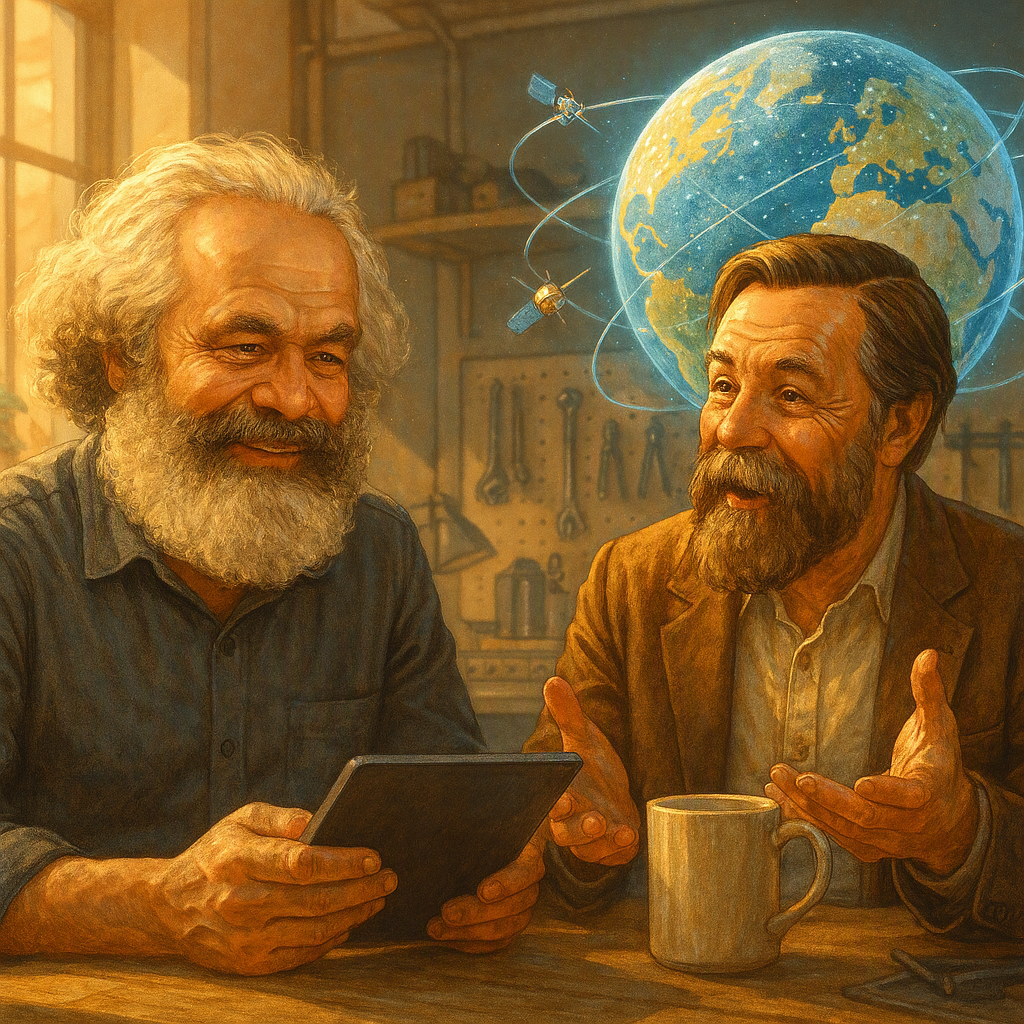
KI-generiert mit Leonardo.ai nach einem Konzept von ChatGPT/ OPEN Ai und Andreas Peglau
Dieser Beitrag gehört ebenfalls zum Inhalt der Bausteine für eine bessere Gesellschaft, Teil 2.
Vorab: Wenn man die Antworten, Zitate und Quellenangaben der KI sorgfältig überprüft, bietet sie ausgezeichnete Möglichkeiten, eigene Sichtweisen und Thesen zu validieren. Im folgenden Austausch war mir diese Prüfung allerdings nur begrenzt möglich – also bitte: kritisch lesen.
*
Andreas Peglau: Hallo. Woher stammt, wer verwendete zuerst den Begriff „Weltanschauung“?
OPEN AI: Der Begriff „Weltanschauung“ stammt aus dem Deutschen und wurde nachweislich zuerst von dem Philosophen Immanuel Kant verwendet. [1, 2]
Er prägte das Wort im Jahr 1790 in seinem berühmten Werk „Kritik der Urteilskraft“ (Erster Teil, Zweites Buch, § 26). [1]
Die ursprüngliche Bedeutung bei Kant
Kant benutzte das Wort damals eher nebenbei und in einem anderen Sinne als wir heute: Für ihn bedeutete „Weltanschauung“ die rein sinnliche Wahrnehmung der sichtbaren Welt (die Natur als Ganzes zu betrachten und im Geist zu erfassen). Es war also ein Begriff für das bloße „Anschauen der Welt“ mit den Augen und dem Verstand. [1, 3, 4]
Wie der Begriff seine heutige Bedeutung bekam
Erst nach Kant wandelte sich das Wort im Laufe des 19. Jahrhunderts grundlegend: [3, 5] Weiterlesen