

Menschenbilder: gut geboren, böse gemacht
von Andreas Peglau[1]
*
Jeder und jede von uns hat – zumindest unbewusst – ein Menschenbild: Annahmen darüber, wie Menschen im allgemeinen sind, gut oder böse, lern- und veränderungsfähig oder nicht, zuverlässig oder unzuverlässig, faul oder fleißig, unter welchen Umständen sie sich wohlfühlen, wie sie in einer bestimmten Situation reagieren, was sie glücklich, traurig oder wütend macht, was sie antreibt, wodurch sie beeinflusst werden können usw. Je nach dem, was wir diesbezüglich für zutreffend halten, beurteilen wir auch, welche Ursachen und Abhilfemöglichkeiten es für negative soziale Entwicklungen gibt – wie die rechtsextremistischen. Weiterlesen
Lore Reich Rubin ist verstorben.
Am 24. Februar 2024 ist Wilhelm Reichs jüngere Tochter Lore verstorben, kurz vor ihrem 96. Geburtstag.
Dass ich sie 2007 kennenlernte, war eines der Motive, mich von da an intensiv mit Wilhelm Reich zu befassen. In der Einleitung zur dritten Auflage von „Unpolitische Wissenschaft?“ habe ich dazu geschrieben:
Die Vorarbeiten zu diesem Buch begannen 2007, im Jahr von Wilhelm Reichs
110. Geburts- und 50. Todestag. An Reichs Berliner Wohnhaus – das mit Fug und
Recht als »Geburtshaus der Körperpsychotherapie« angesehen werden kann –
wurde damals eine Gedenktafel eingeweiht. Dabei kam ich mit Lore Reich Reich,
Psychoanalytikerin und jüngere Tochter Reichs, in Kontakt, was sowohl einen lebendigen
Austausch als auch eine Verabredung zum Theaterbesuch nach sich zog.
Denn in der Probebühne der Staatsoper wurde gerade – glückliche Fügung! – ein
1946 entstandener Text ihres Vaters in dramatisierter Fassung gegeben: Rede an den kleinen Mann. Vor Veranstaltungsbeginn zeigte ich Lore Rubin Reich den vom Aufführungsort
nur wenige hundert Meter entfernten Bebelplatz gegenüber der Humboldt-
Universität: Hier wurden am 10. Mai 1933 tausende mit nationalsozialistischen
Auffassungen unvereinbare Schriften verbrannt. Nur vier den Initiatoren der
Vernichtungsaktion offenbar besonders verhasste Psychoanalytiker waren, soweit
bekannt, davon betroffen. Lore Reich Rubins Vater war einer von ihnen.
Dieses Zusammentreffen verstärkte meinen Wunsch, zu erfahren, wie überhaupt im
faschistischen Deutschland mit analytischen Schriften umgegangen wurde – ohne zu ahnen, dass daraus eine siebenjährige Suche in unzähligen Dokumenten, diversen Archiven und Institutionen werden sollte, bei der sich die zu beantwortenden Fragen immer mehr ausweiteten.
Roland Kaufhold hat Lore für haGalil mit einem ausführlichen Nachruf geehrt.


Lore Reich Rubin (1928 – 2024), links um 1932 fotografiert von ihrem Vater in ihrer Berliner Wohnung, rechts vor demselben Haus am 23.6.2007. Damals war sie zum ersten Mal seit 1933 wieder in Deutschland.
Sinnsalabin. Gedanken zum Zusammenhang von Sinn und Erfüllung, 5.3.2024
von Andreas Peglau

(Juni 2023. Foto A.P.)
Es ist noch nicht lange her, da hatte ich – was mir seit 2020 öfter geschieht – wieder einmal das Gefühl, dass mein Leben momentan nicht besonders sinnvoll sei. Dabei bin ich jedoch diesmal nicht stehengeblieben. Aus den weiteren Überlegungen hat sich der folgende Text entwickelt. Weiterlesen
Sein, Bewusstsein, „Klassenbewusstsein“ – und Unbewusstes. Karl Marx, Wilhelm Reich und die tatsächliche Rolle der Psyche
von Andreas Peglau
Anfang 2024 habe ich einen Beitrag zur „Grundfrage der Philosophie“ veröffentlicht und einen weiteren, in dem ich Wilhelm Reichs Schrift „Was ist Klassenbewusstsein?“ von 1934 vorstelle. Sie bauen zwar nicht direkt aufeinander auf. Aber sie ergänzen sich. Deshalb sind sie hier noch einmal zusammenhängend nachzulesen.
Der rote Faden ist: Die Vorstellungen von Karl Marx vom Bewusstsein – und damit sein Menschen- und Gesellschaftsbild – sind ausgesprochen korrekturbedürftig. 1933/34 hat Wilhelm Reich, zu dieser Zeit noch Kommunist und Marxist, wesentliche dieser Korrekturen vorgenommen. Einige seiner damaligen Erkenntnisse können helfen, die aktuelle politische Situation in der BRD zu verstehen, vielleicht auch positiv zu beeinflussen. Denn sie zeigen: Wir sind keinesfalls passiv-hilflose Marionetten unserer Gesellschaft, wir gestalten sie stattdessen mit – nur leider in hohem Maße unbewusst und entgegen unserer Lebensinteressen.
Die Mehrzahl lebt ihr unterjochtes Dasein unbewusst… Wilhelm Reichs Weiterführung der „Massenpsychologie des Faschismus“ im Jahr 1934
von Andreas Peglau
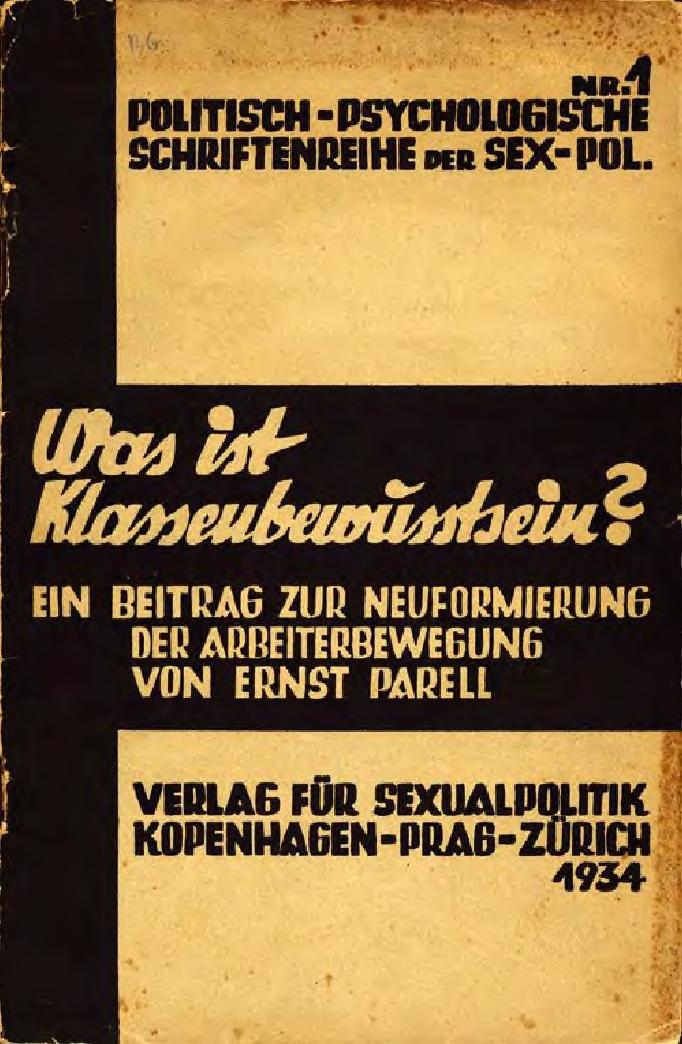
1933 war der aus Deutschland geflüchtete Wilhelm Reich aus den kommunistischen und den psychoanalytischen Organisationen ausgeschlossen worden und hatte im dänischen Exil die Massenpsychologie des Faschismus[1] veröffentlicht. 1934 begann er mit der Herausgabe der Zeitschrift für Politische Psychologie und Sexualökonomie.[2] Dort erschien auch sein, unter dem Pseudonym „Ernst Parell“ verfasster Aufsatz „Was ist Klassenbewusstsein?“, den er zusätzlich als 72-seitige Broschüre drucken ließ.[3]
Anknüpfend an die Massenpsychologie wollte Reich hier, so der Untertitel, einen „Beitrag zur Neuformierung der Arbeiterbewegung“ leisten – welche nach der nationalsozialistischen Machtübernahme und Zerschlagung der „linken“ Organisationen in Deutschland zwingend nötig geworden war. Dazu müssten, meinte Reich, jene Fehler der „Linken“ analysiert werden, die diese Machtübernahme begünstigt hatten. Neben dem Torpedieren einer antifaschistischen Einheitsfront stellte er insbesondere das anhaltende „Unverständnis vieler Wirtschaftspolitiker für psychologische Fragestellungen überhaupt“ [4] in den Vordergrund:
Das Sein bestimmt das Bewusstsein? Vier Einwände gegen die Antwort, die Karl Marx auf die „Grundfrage der Philosophie“ gab.
von Andreas Peglau
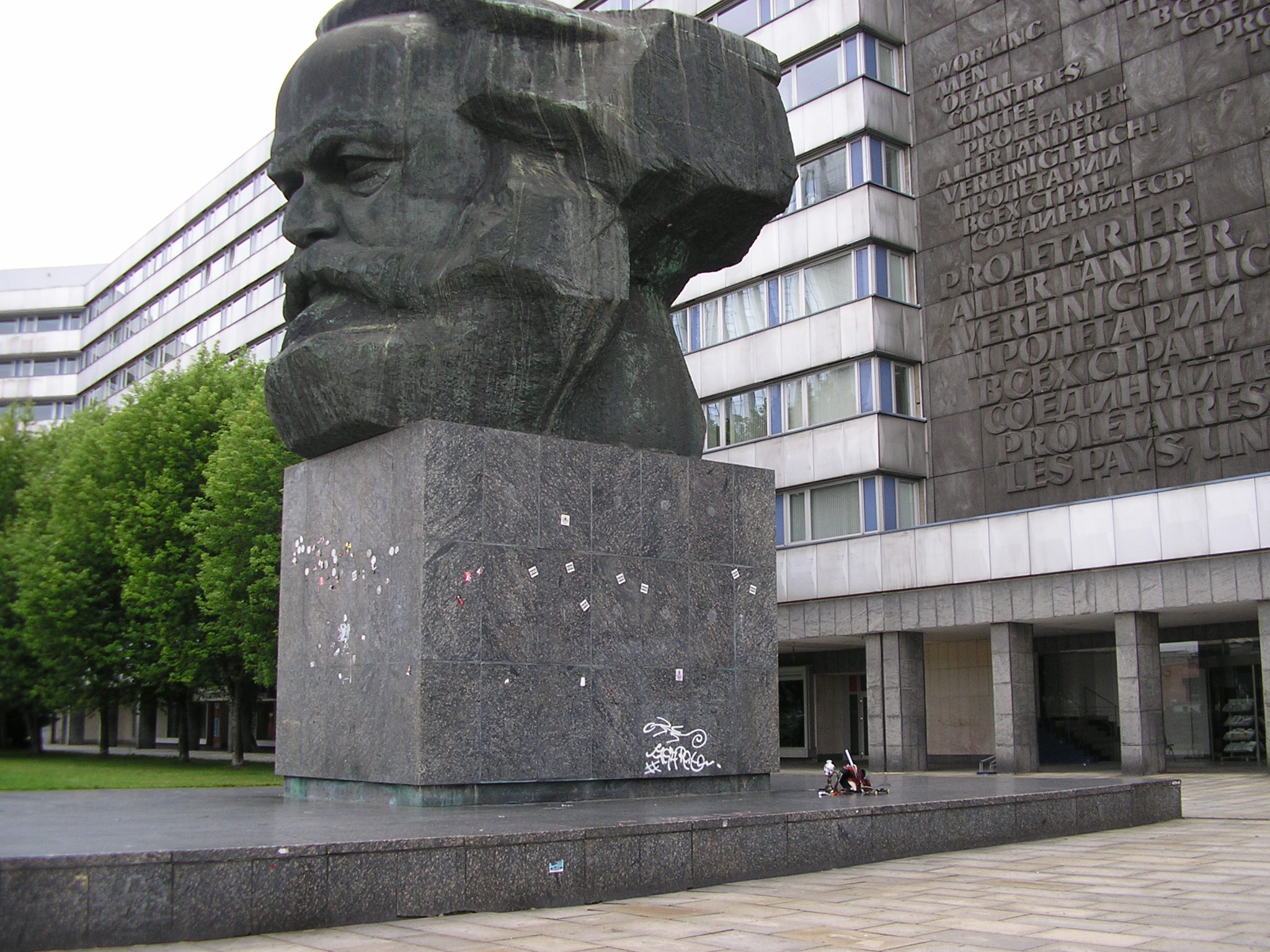
Lew Kerbels Denkmal, 1971 eingeweiht in Karl-Marx-Stadt, heute wieder Chemnitz (Foto A.P.)
Ich halte viele der Erkenntnisse von Karl Marx und Friedrich Engels für unverzichtbar, um ausbeuterisch-unterdrückende Systeme, insbesondere das kapitalistische zu begreifen und durch eine bessere Gesellschaftsordnung zu ersetzen. Gerade deshalb lohnt es sich, jene Dimension hinzuzufügen, um die Marx und Engels weitgehend einen Bogen machten:[1] die psychosoziale.
Dass auch im „realen Sozialismus“ das angemessene Einbeziehen dieser Dimension unterblieb, hat maßgeblich zu dessen Scheitern beigetragen. Konzepte für künftige soziale Umwälzungen werden ebenfalls nur in dem Maße umsetzbar sein, wie ihnen ein ganzheitlicher Blick zugrunde liegt – also ein Blick, der auch über Marx und Engels deutlich hinaus geht.
Wie ich mir ein Anknüpfen an Marx vorstelle, das ohne dessen thematische Selbstbeschränkungen auskommt, will ich an einem einzigen, allerdings bedeutungsschweren Satz zeigen. Dabei habe ich nicht den Anspruch, etwas als erster zu formulieren, sondern nur, meine Sicht zusammenzufassen. [2] Weiterlesen
Alexander Neills SUMMERHILL-Projekt. Hörbuch kostenlos herunterladen und anhören
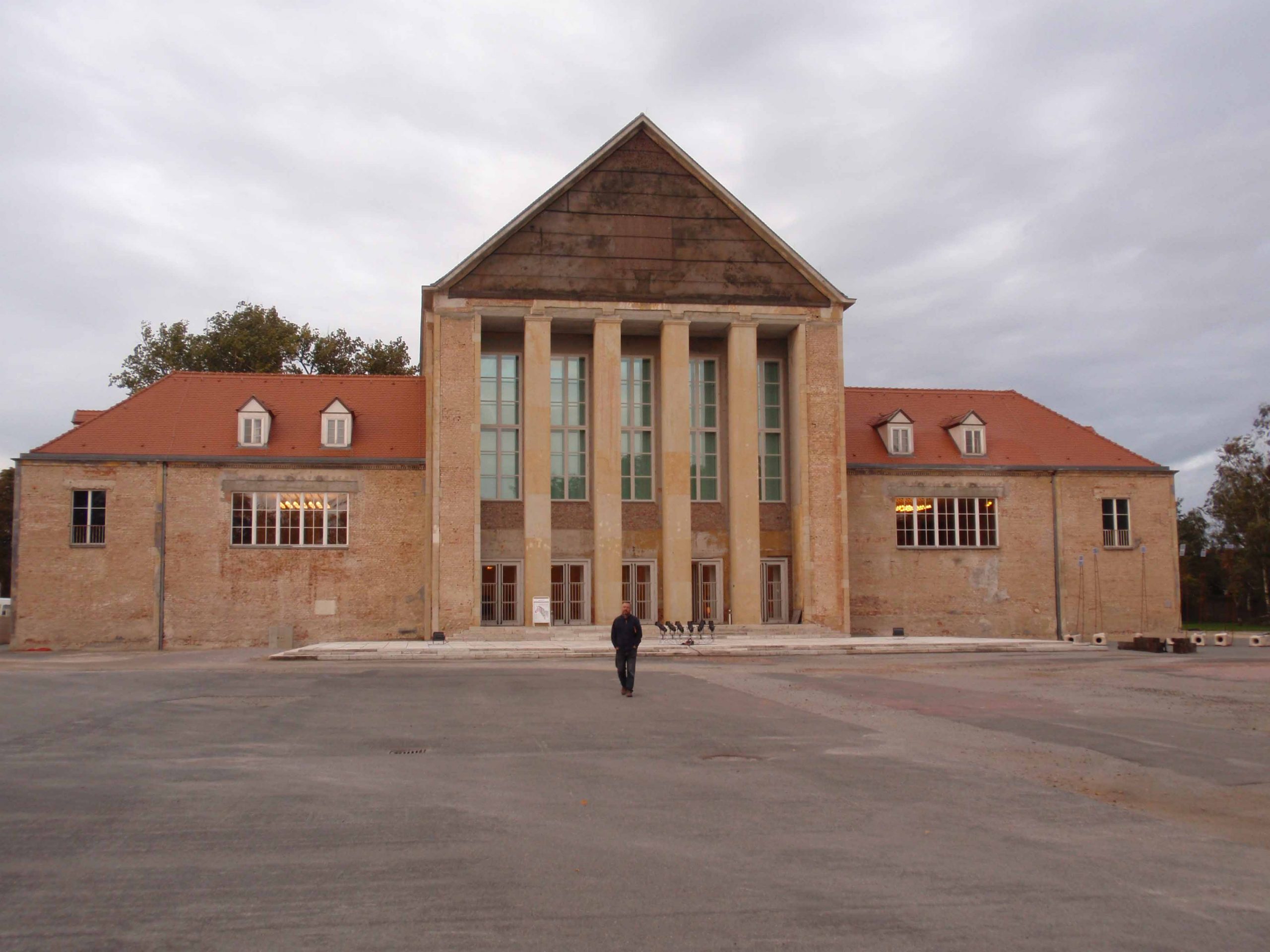
Dresden-Hellerau, Festspielhaus. In diesem Gebäude startete A.S. Neill 1921 sein Schulprojekt (Foto: Gudrun Peters)
Alexander Sutherland Neill wurde 1883 geboren. Zwei Jahre nachdem er in Dresden-Hellerau sein erstes Schulprojekt ins Leben gerufen hatte, erfolgte 1923 eine Neugründung in Südengland, in einem Haus, das den schönen Namen „Summerhill“ trug: Sommerhügel.
Diesen Namen nutzte Neill dann auch beim endgültigen Umzug nach Suffolk.
1973 ist Neill gestorben, kurz vor seinem 90. Geburtstag.
Das Summerhill-Projekt, inzwischen geleitet von Neills Tochter Zoё Neill Readhead, ist noch immer sehr lebendig. Es steht für:
– die freie Entfaltung von Kindern,
– ein nicht-autoritäres Erziehungs- und Bildungskonzept mit Schüler-Selbstregierung,
– das uns angeborene Potential, liebevolle und friedfertige Wesen sein zu können und sein zu wollen.
Gerade Letzteres kann in einer Zeit, in der diverse politische Akteure und Medien wieder einmal „zu den Waffen!“ rufen, gar nicht intensiv genug betont werden. Weiterlesen
Global Empathy – Thomas Harms im Gespräch mit Andreas Peglau
Thomas Harms, Psychologe, Therapeut und Leiter des Bremer Zentrums für Primäre Prävention und Körperpsychotherapie hat am 26. November ein Gespräch (1 Stunde, 13 Minuten) mit mir geführt und es in seiner Reihe „Global Empathy“ veröffentlicht.
Es geht um Wilhelm Reich, vor allem um die „Massenpsychologie des Faschismus“, am Ende auch ein wenig um A.S. Neill und Summerhill und um das Thema „Menschenbilder“.
Hier lässt es sich bei spotify anhören:
Hier eine weitere Möglichkeit zum Hören: Apple Podcast.
Was die Massen zum Faschismus treibt. Ein Beitrag für das Journal JACOBIN
von Andreas Peglau
Vor 90 Jahren, im Spätsommer 1933, erschien Wilhelm Reichs Klassiker »Massenpsychologie des Faschismus«. Das Buch war sein Versuch, die Anziehungskraft der Nazi-Ideologie zu erklären und gleichzeitig einen blinden Fleck der marxistischen Gesellschaftstheorie auszufüllen.